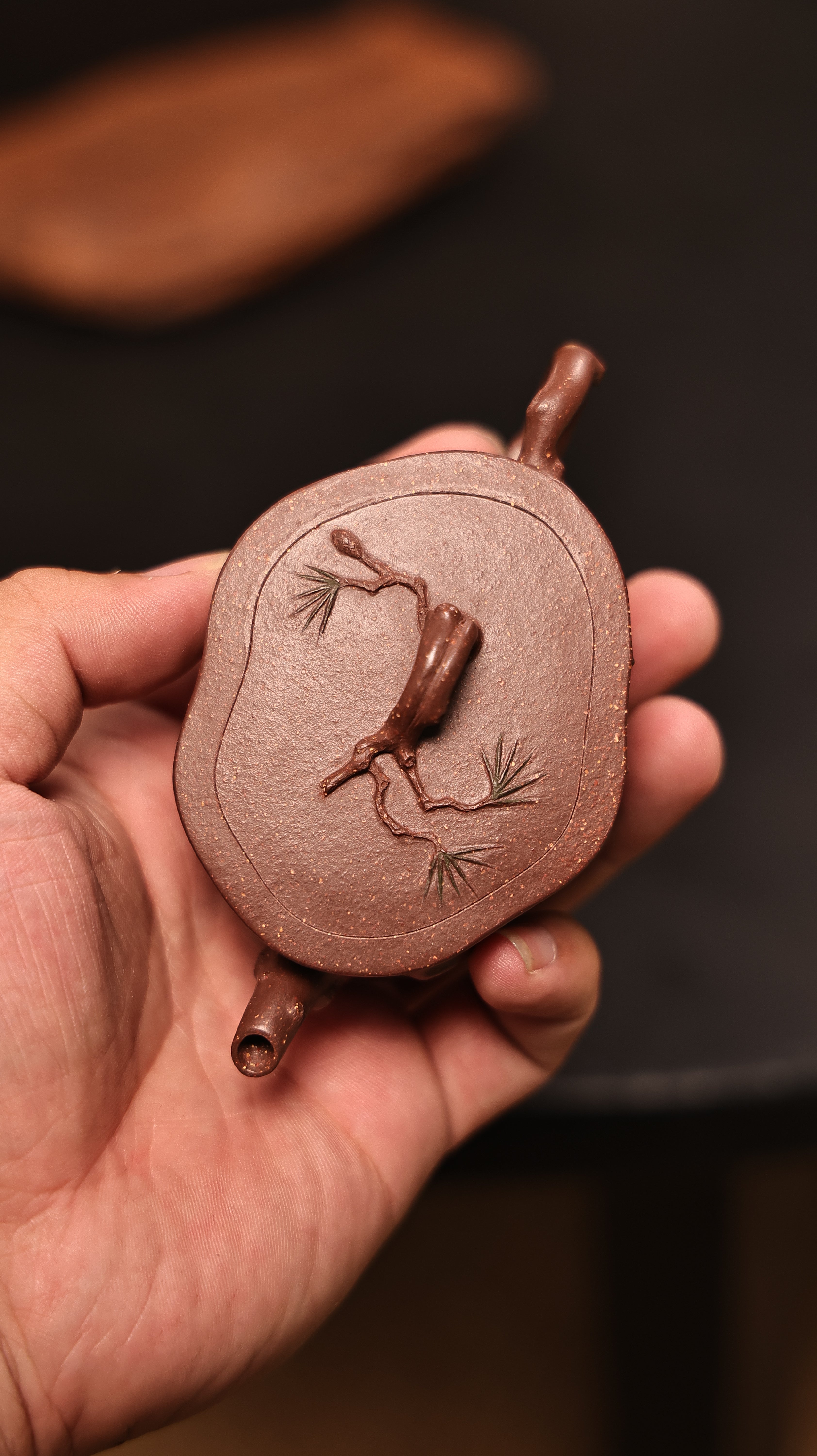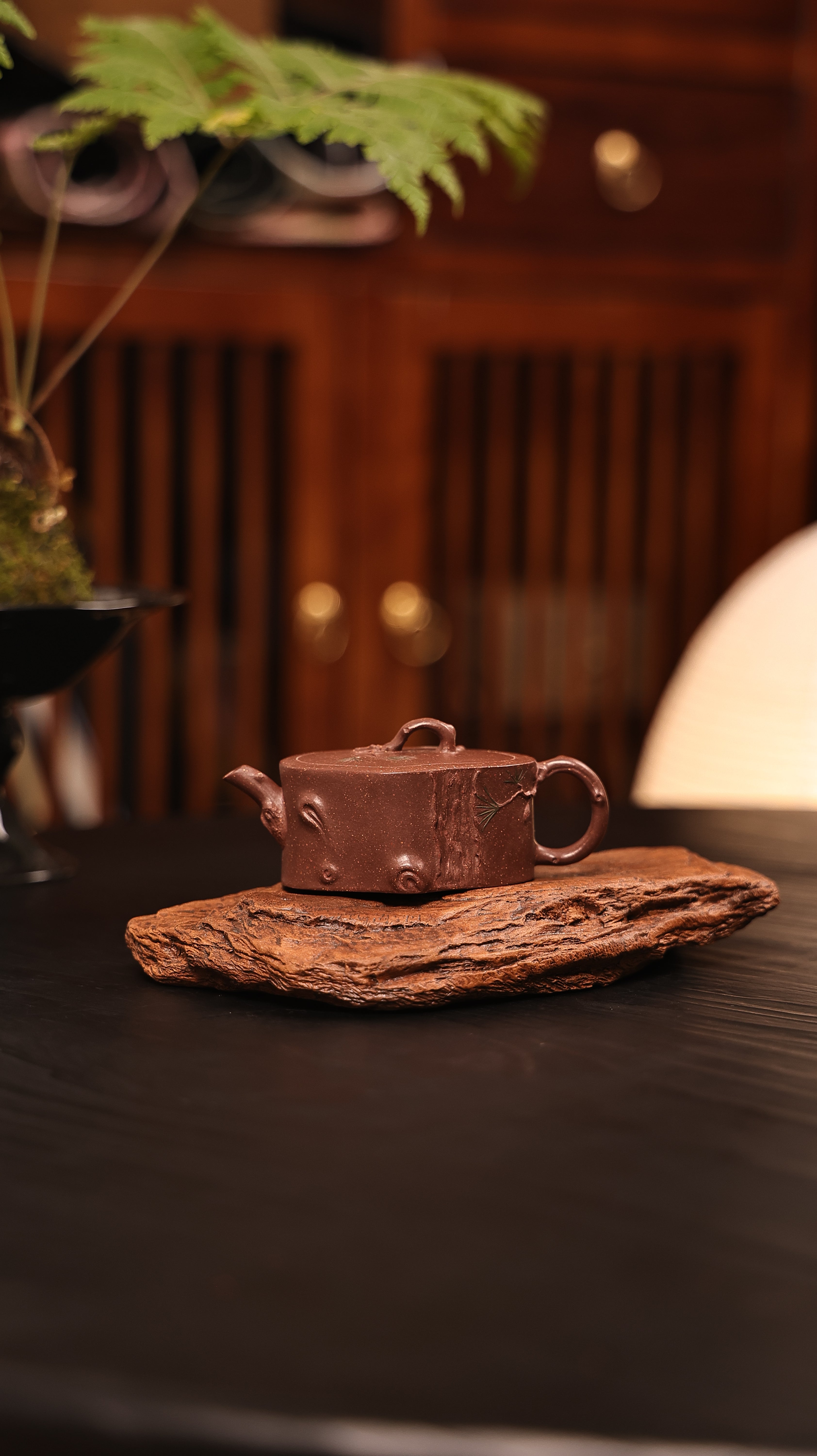
Times in connoisseurs have long sought the exclusive beauty of Yixing Zisha containers. Coming in the modest town of Yixing, the homeland, these urns are created from a scarce and dug purple clay famous for its extraordinary thermal attributes and capacity to enhance the richness of extracts. Exceeding their operative worth, Zisha teapots represent a lasting social foundation, turning them extremely prized and a veritable masterpiece for any passionate teapot enthusiast.
Surveying Yixing Containers
Authentic teapots represent a distinct amalgamation of history and skilled craftsmanship. Originating in Yixing, Jiangsu Territory of China, their narrative stretches the Ming Dynasty, although indications suggest earlier models. The distinctive purplish clay, called Zisha, found just in the Yixing region, is the crucial component, contributing to the pots' superior heat conservation and the manner they affect the quality of tea. Dynasties of potters have refined techniques—often relayed through families—including forming the clay, applying sophisticated embellishments, and firing the pots at deliberate temperatures.- Initially, Yixing teapots were often enhanced with simple designs.
- Later, more detailed carvings and pictorial motifs became accepted.
- The baking itself is a indispensable element, requiring considerable time of expertise.
Collecting Zisha Teapots: Vital Considerations
Initiating a mission to gather Zisha pitchers can be pleasurable, but it’s fundamental to know what to seek. Authenticity is paramount; focus on the clay’s natural shade, a faint reddish-brown is common. Examine the quality; genuine Zisha has a remarkable tactile sensation, often defined as slightly rugged. The form should be balanced and consistent with authentic styles, while marks, if present, require close examination for truthfulness. Don’t shy away to consult with knowledgeable enthusiasts or credible sources – their expertise is indispensable.
Eastern Pots: Delving into the Legacy of original Pottery
Centuries have seen Yixing Purple Clay teapots retain a distinguished role in Chinese custom. These artfully designed pots, sourced uniquely from the district of Yixing, are acclaimed for their characteristic complexion, texture, and their ability to enhance the taste of beverages. Legions of collectors seek antique Yixing teapots, treasuring them profoundly not only for their aesthetic grace, but Yixing Zisha Teapot also for the chronicle they signify.
Yixing Zisha Teapots: An Premier Kinds and Their Attributes
Yixing Pottery teapots, sourced from the regional locale of Yixing, the Chinese territory, are famed for their special clay and exceptional brewing qualities. Among the countless Zisha types, notable sorts that are highly coveted include Huiwan. Binzhou, known for its profound purple shade and even texture, delivers a mild flavor. This Duan Ni variety, recognizable by its orangish color and partially grainy feel, is viewed to enhance the fullness. Lastly, The Zhuni type boasts an peculiar burgundy tone and can deliver a mild nuance. Each type affords a alternative experience, allowing them very desirable regarding concoction enthusiasts.
Excelling at A Yixing Container
To discover the magic of your Yixing urn, learning the correct technique is essential. These clay earthenware, celebrated for their penetrability, will gradually assimilate the heart of the tea you brew within them. Begin by cleansing the vessel thoroughly with steaming water. Then, use only fine whole leaf tea, as lower quality options can spoil the teapot’s delicate taste. Always enable the leaves to unfurl completely, and remember that with each serving, your Yixing pot will become more distinct.
Maintaining Your Rare Zisha Heirloom
Proper support for your Zisha vessel is critical to securing its character and price. Zisha clay, acclaimed for its unique coloration and makeup, requires delicate handling. Never use caustic detergents, as these can ruin the covering. After every brewing, rinse the urn with tepid water and allow it to dehumidify completely.
- Refrain from soaking the container for extended periods.
- From time to time use a soft wiping cloth to polish the exterior.
- Deliberate applying a thin layer of food-grade mineral oil inside the pot after drying, which can limit staining.
Essentials of Yixing Pots
Yixing brew vessels, originating from the Yixing district in Jiangsu Province, China, are celebrated for their distinctive attributes. Created from the unique purple substance known as Zisha, these vessels are prized by infusion enthusiasts worldwide. This primer will plainly explain the fundamentals – covering classes of Zisha ground, favored shapes, and essential care guidance. Understanding the tradition of Yixing kettles can heighten your appreciation for this classic example of Eastern craftsmanship.
Technique of Eastern Pots: Focusing on Zisha sourced from the Yixing district
Zisha material from Yixing locality represents the peak of Chinese pot design, possessing a special fusion of unprocessed beauty and utilitarian artistry. These distinguished pieces are acclaimed for their bold pigments, often including profound purples and orange hues to faint greys and muted beiges. The salient mineral composition of the typical Zisha clay imparts a noteworthy texture and renders a gratifying aroma that amplifies the full concoction experience, contributing to them significantly valued collectibles and necessary components of any serious ceremony.